
The Oil & Gas Investor’s Revenue Path
Understanding The Process of Getting A Return On Your Investment
Understanding The Process of Getting A Return On Your Investment
What Is An Oil & Gas Revenue Path?
A revenue path is a step-by-step process by which oil and gas investors recoup their investment. From drilling and oil production to leasing, sales, and tax breaks, there are a number of avenues for savvy investors to get a return on their investment.
This industry famously builds generational wealth. This type of opportunity secures the financial future for investors and their loved ones, time and time again. The best outcome of a successful investment is the means to continue investing in this or other prospects.
The State of The Oil & Gas Industry
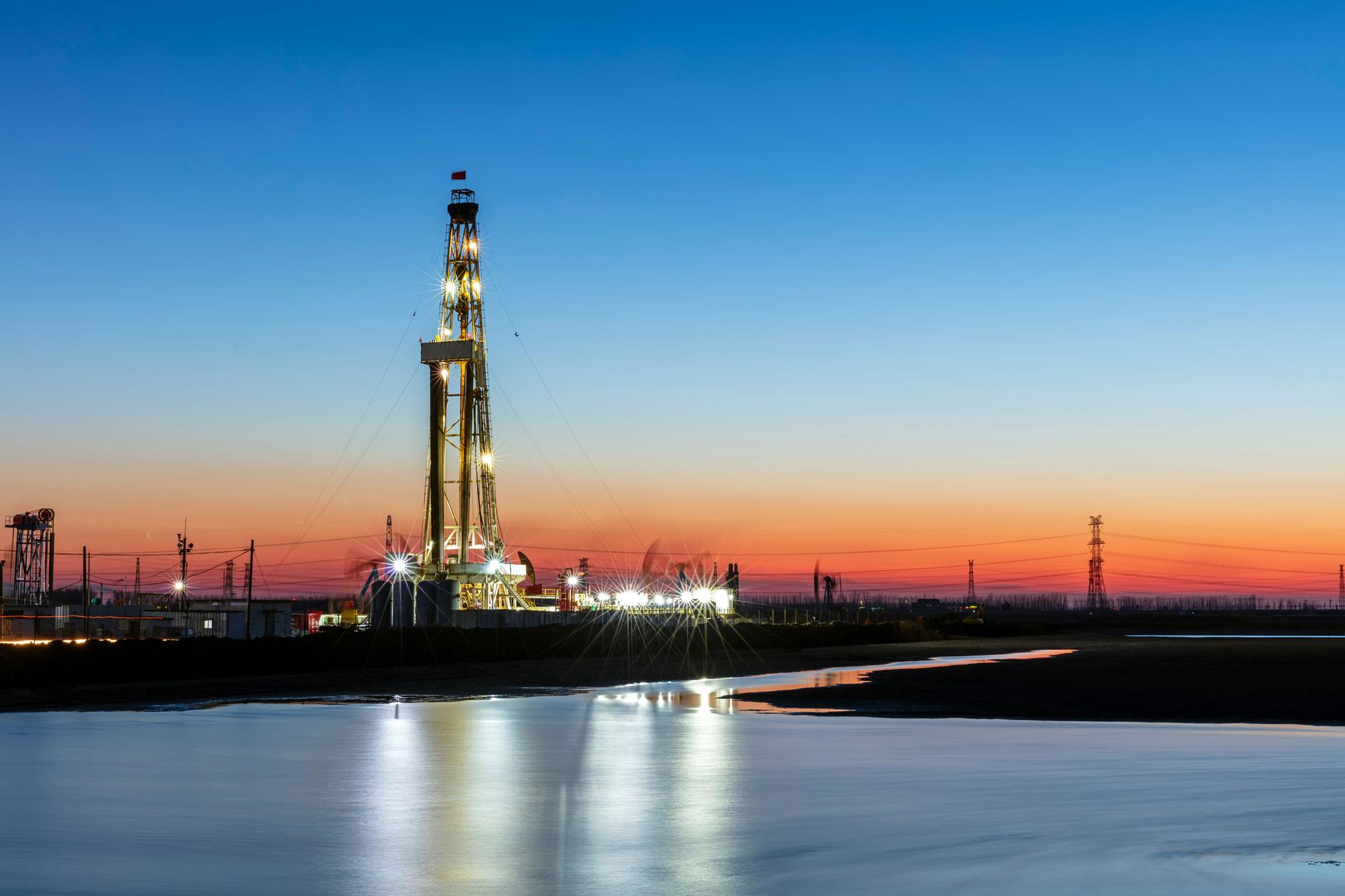
The oil and gas industry is the largest business sector in the world, beating out the second most profitable, life and health insurance.[1] With an estimated global revenue of 5.3 trillion as of 2024, there is no better place to invest than in a thriving and growing industry. [2]
At Thoroughbred Ventures, we target drilling opportunities in the country’s most prolific unconventional oil and gas developments. We focus on non-operated interests where we are not responsible for daily operations and partner with some of the world’s most respected and publicly traded companies.

Oil & Gas Revenue Path Snapshot
There are three main channels for generating revenue:
- Upstream: Drilling and Production
- Midstream: Transportation
- Downstream: Refining and Sales
Upstream opportunities offer significant potential for financial return:
- Monthly cash flow: Generated by oil production and maintaining a working interest.
- Tax breaks: Intangible drilling costs, Intangible Completion Costs, Tangible drilling costs, accelerated depreciation, and depletion allowance
Within 5-7 months, investors begin receiving monthly payments:
- The first month includes a catch-up payment to cover the waiting period.
- Each monthly payment is accompanied by detailed expense and revenue reports.
Breaking Down The Thoroughbred Ventures Revenue Path
Our experienced and conscientious investor team has been participating in the Oklahoma STACK/SCOOP since 2017. This longevity has provided a valuable understanding of the area and the operators involved.
These are two critical components to choosing what wells to participate in. We utilize a cultivated and extensive network of important industry professionals like landmen, geologists, and oil and gas attorneys to get the best results.
Forced Pooling: Non-Operator Status
Working as non-operating interested parties, we get the additional benefit of partnering with publicly traded companies and large independent operations. This structure gives us the right, through a mineral leasehold, to participate in a well or group of wells with the controlling operator.
Forced Pooling laws are the legal mechanism for these partnerships. Although Thoroughbred already holds acreage positions in and throughout the STACK/SCOOP that have yielded excellent results, we are constantly monitoring the landscape and our preferred operator’s activity, looking for new trends and opportunities to acquire new leases.
What Is The Process For Investing In Oil & Gas Wells?
Step 1: Acquiring The Lease
Step 2: Formally Elect to Participate
Step 3: Drill and Complete The Well (Approx. 2 to 3 months)
Step 4: Flowback (Approx. 2 to 3 weeks)
Step 5: Cash Flow (Approx. 5 to 7 months)
This is a breakdown of our process from start to finish for acquiring a new lease to generate revenue from a new well.
Step 1: Acquiring The Lease
Landmen are the boots on the ground of all oil and gas operations. From field operations to legal and environmental regulations, they keep tabs on the state and movement of the industry as well as specific wells.
Leveraging our extensive network, we know which operators are leasing, where they’re located, whose filing for drilling permits, and where forced pooling orders are being issued. This is not a simple process, but our seasoned landmen often find the perfect opportunity to make a strong investment.
Our typical acquisition will be in an area where the production history is reliable and run by an operator we trust. Additionally, the drilling of the well is imminent, the pooling order has been issued, and the proposal process is underway. These are all strong indicators of a good investment.
Step 2: Formally Elect to Participate
When the time comes, the controlling operator will send each mineral lease owner in the designated drilling unit (typically 1280 acres for a horizontal well) a well proposal. We formally elect to participate once investors approve the estimated cost and the working interest amount the operator has on record for the lease.
All agreements are legally and properly documented and sent back with the initial payment to secure the investor’s interest. At this time, the only thing to do is wait for production to begin.
Step 3: Drill and Complete The Well (Approx. 2 to 3 months)
During this phase, the well operator prepares the drilling site and installs the rig. The rig will first drill the vertical section of the well to the desired target depth, and then the directional crew will drill the lateral section of the well to the predetermined terminus location.
The rig will then be moved off-site so the completion crew and equipment can be set up to frack the wellbore. Fracking is a type of hydraulic fracturing that extracts oil and natural gas from shale and rock formations.
While generally faster than the drilling process, fracking is fairly intensive, requiring 1 to 2 weeks and extending into multiple stages. In some cases, we’ve seen more than 50 stages in a single frack design. As this process continues for 2 to 3 months, the operators will provide daily reports to the working interest owners so they can monitor the progress.
Step 4: Flowback (Approx. 2 to 3 weeks)
During this phase, the operator will prepare the site to begin flowing the well back prior to turning the well over to production. This is called flowback. During the flowback process, operators will get the first indications of future well performance.
These indicators include flow tubing pressure, daily volumes of water, and the oil and gas being produced daily from the various choke sizes. In the beginning, most wells with big frack recover primarily frack load water. As the water is removed from the wellbore, you will see natural gas first and then oil if the well produces liquids.
As the frack load is recovered, the recovery rates increase until they hit peak production. In most cases, this is the point when the well is turned over to production teams and will then be managed by the production department. Daily reports on volume and activity will continue throughout the flowback process.
Step 5: Cash Flow (Approx. 5 to 7 months)
At this time, Thoroughbred Ventures is monitoring the daily production and waiting for the well to be placed into pay status. This means the well is ready to generate cash flow through production and lease costs for all interested parties.
Getting to this point usually requires 5 to 7 months for the operator to complete the final title work, set up the pay deck, and send out division orders. Now is the time when all our hard work and precision investing expertise will pay off.
Once we receive the division orders, investors are paid within that month or the following month. The first payment includes a catch-up payment to cover the funds for all the previous months of production before the pay status was reached. The first payment will be 30 days in arrears for oil and 60 days in arrears for gas.
With the first payment, we also receive the Joint Interest Billing (JIB) statement detailing all of the expenses and our proportionate share of those expenses. From this point forward, the operator will issue the monthly cash flow and JIB funds.

- [1]Dyvik, E. H. (2024, August 7). Biggest Industries in the world 2023. Statista. https://www.statista.com/statistics/264730/the-top-20-most-profitable-branches-of-industry-worldwide/
- [2]McClay, R. (n.d.). How the oil and Gas Industry Works. Investopedia. https://www.investopedia.com/investing/oil-gas-industry-overview/
Build Your Legacy Through Oil and Gas Investments With Thoroughbred Ventures
Now is the time to start building wealth and establishing your family’s legacy. Diversify your investment portfolio and reap the benefits that oil and gas offers. Thoroughbred Ventures is excited to partner with accredited investors to make a positive impact on the world and support the essential functions of oil and gas operations.
Every oil and gas investment is meticulously hand-selected by our experienced team and measured against our extensive requirements for due diligence. We’re committed to presenting our investors with data-backed investments they can get excited about.
Let’s capitalize on fresh and lucrative investments and maximize oil and gas benefits together. Reach out to the Thoroughbred Ventures team today to learn more about active and upcoming opportunities.
See Other Investment Opportunities
Interested in an investment opportunity in an established sector that can also make a difference in the world we live in? Check out our other investment opportunities.

Additional Resources

Disclaimer: No information provided here should be construed as a guarantee of profit or an offer to invest. There is always risk associated with speculative oil and gas operations, and they represent some level of liquidity risk. Nor should this content be deemed tax advice or legal counsel. TBV works only with accredited investors, and those who meet the requirements should consult with personal or financial consultants before investing.